

What are the power requirements for ABB DCS?
As a trusted supplier of ABB DCS/PLC systems, I often get asked about the power requirements for ABB DCS. Understanding these requirements is crucial for ensuring the reliable and efficient operation of your industrial automation setup. In this blog post, I'll delve into the power needs of ABB DCS, exploring the factors that influence them and providing insights to help you make informed decisions.
Understanding ABB DCS
ABB DCS, or Distributed Control System, is a sophisticated automation solution used in various industries, including oil and gas, power generation, chemical processing, and manufacturing. It allows for centralized control and monitoring of complex industrial processes by distributing control functions across multiple controllers and field devices. This decentralized approach enhances system reliability, flexibility, and scalability.
Power Requirements Basics
The power requirements for ABB DCS can vary depending on several factors, including the system configuration, the number and type of components, and the specific application. Generally, ABB DCS systems require a stable and reliable power supply to operate effectively. Here are some key aspects to consider:
Voltage and Frequency
ABB DCS systems typically operate on standard industrial power supplies, with voltage ratings ranging from 110V to 240V AC or 24V DC. The frequency of the power supply is usually 50Hz or 60Hz, depending on the regional standards. It's essential to ensure that the power supply voltage and frequency match the specifications of the ABB DCS components to avoid damage or malfunctions.
Power Consumption
The power consumption of an ABB DCS system depends on the number and type of components installed. These components may include controllers, input/output (I/O) modules, communication interfaces, and field devices. Each component has its own power consumption rating, which can be found in the product documentation. To calculate the total power consumption of the system, you need to sum up the power consumption of all the individual components.
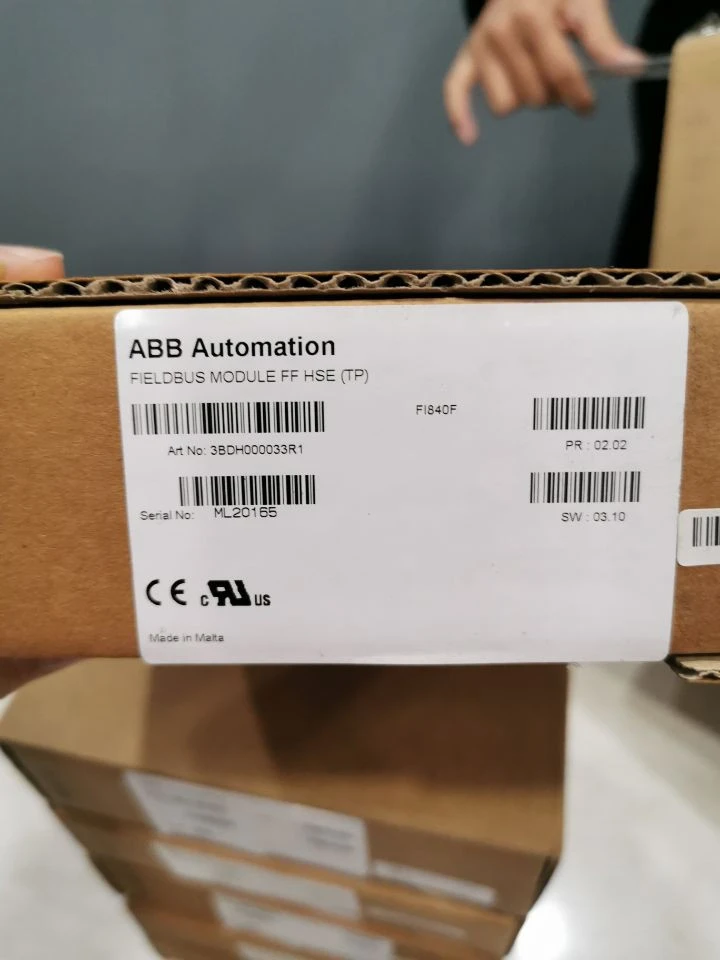
For example, the ABB INNIS21 is a high-performance controller that requires a certain amount of power to operate. Similarly, the ABB FI840F fieldbus module has its own power consumption requirements. By considering the power consumption of each component, you can estimate the overall power needs of your ABB DCS system.
Redundancy and Backup Power
In critical applications, it's often necessary to implement redundancy and backup power solutions to ensure continuous operation in the event of a power failure. ABB DCS systems support redundant power supplies, which means that multiple power sources are used to provide power to the system. If one power supply fails, the other can take over automatically, minimizing the impact on the system's operation.
Backup power solutions, such as uninterruptible power supplies (UPS), can also be used to provide temporary power during a power outage. UPS systems store electrical energy in batteries and can supply power to the ABB DCS system for a certain period of time, allowing for a controlled shutdown or continued operation until the main power supply is restored.
Factors Influencing Power Requirements
Several factors can influence the power requirements of an ABB DCS system. Understanding these factors can help you optimize the power consumption of your system and ensure its reliable operation. Here are some key factors to consider:
System Configuration
The configuration of the ABB DCS system, including the number and type of controllers, I/O modules, and field devices, can have a significant impact on the power requirements. A larger and more complex system with more components will generally require more power than a smaller and simpler system. Additionally, the use of high-performance components or advanced features may also increase the power consumption.
Operating Conditions
The operating conditions of the ABB DCS system, such as temperature, humidity, and ambient noise, can also affect the power requirements. High temperatures can increase the power consumption of electronic components, as they need to work harder to dissipate heat. Similarly, high humidity or a noisy environment may require additional power for cooling or noise filtering.
Application Requirements
The specific application requirements of the ABB DCS system can also influence the power requirements. For example, applications that require high-speed data processing or real-time control may need more power than applications with less demanding requirements. Additionally, applications that involve continuous operation or have strict uptime requirements may require redundant power supplies and backup power solutions.
Meeting Power Requirements
To meet the power requirements of your ABB DCS system, it's important to follow these best practices:
Proper Sizing
Ensure that the power supply is properly sized to meet the total power consumption of the ABB DCS system. This includes considering the power consumption of all the components, as well as any future expansion or upgrades. Oversizing the power supply can lead to unnecessary energy consumption and higher costs, while undersizing the power supply can result in system failures or malfunctions.

Power Management
Implement power management strategies to optimize the power consumption of the ABB DCS system. This may include using energy-efficient components, implementing power-saving modes, or scheduling system operations during off-peak hours. Additionally, regular maintenance and monitoring of the power supply and components can help identify and address any power-related issues.
Redundancy and Backup
Consider implementing redundancy and backup power solutions to ensure continuous operation in the event of a power failure. Redundant power supplies can provide additional reliability, while UPS systems can provide temporary power during a power outage. Make sure to test the redundancy and backup power solutions regularly to ensure their proper functioning.
Conclusion
In conclusion, understanding the power requirements for ABB DCS is essential for ensuring the reliable and efficient operation of your industrial automation setup. By considering factors such as voltage, frequency, power consumption, redundancy, and backup power, you can properly size the power supply and implement power management strategies to optimize the power consumption of your system.
As a supplier of ABB DCS/PLC systems, I have the expertise and experience to help you determine the power requirements for your specific application. If you have any questions or need assistance with your ABB DCS system, please don't hesitate to contact me. I'm here to provide you with the support and guidance you need to make the right decisions for your industrial automation needs.
References
- ABB Product Documentation
- Industrial Automation Standards and Guidelines