

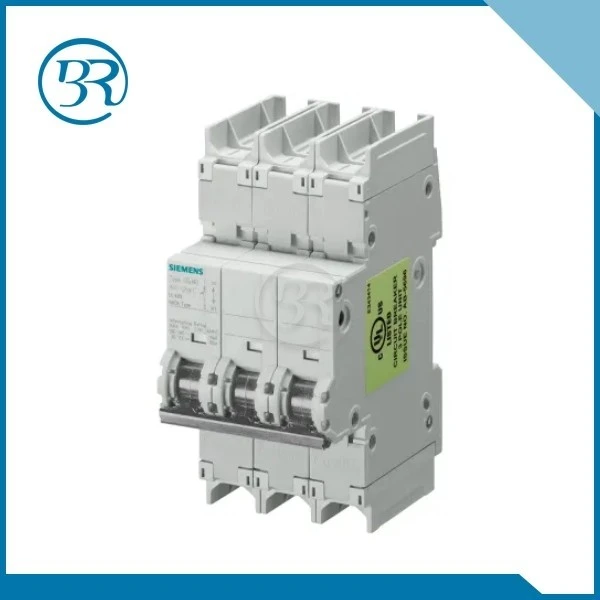
Siemens
Why Choose Bright Trading Enterprise Co., Ltd?
Bright Trading Enterprise Co., Ltd is an enterprise that specializes in selling various series of instruments and meters of Rosemount and Yokogawa brands. Provide customers with high-quality products and after-sales service in transmitter, flowmeter and control module.
Rich Experience
Our company has nearly 6 years of rich export experience, the supply channel is stable and has guaranteed delivery time.
Professional Service
Our freight forwarder owns channels to handle branded products and battery products. We provide door-to-door express delivery services to our customers.
Wide Product Range
We specialize in ROSEMOUNT, YOKOGAWA, HONEYWELL, SIEMENS, ABB, Schneider, AB and FISHER products. The main customers are in the Middle East, Southeast Asia, Africa and European countries.
Competitive Price
Our products are of high quality and affordable. These three products, including Rosemount 3051 Series Transmitter, Yokogawa EJA EJX Series Transmitter, Honeywell Series Transmitter, have price advantages compared with similar products on the market.
-
6GK1162-3AA00
Communications processor CP 1623 PCI Express X1 (3, 3 V/12 V) for connectionto Industrial Ethernet
-
A5E00369843
COMMUNICATION PROCESSOR CP 5611 A2 PCI-CARD (32 BIT; 3.3/5V;33/ 66 MHZ) FOR CONNECTION TO PG OR PC
-
6SL3210
Products Description 6SL3210 inverter covers a power range from 0.55kW to 75kW, and voltage levels
-
3UF7930-0AA00-0
Connecting cable Length 0.025 m, flat, for connection of basic unit with extension modules via the
-
3UF7935-0AA00-0
Connecting cable Length 0.3 m, flat, for connection of basic unit, current measuringmodule,
-
6SE6440-2AD24-0BA1
**spare part** MICROMASTER 440 built-in class A filter 380-480 V 3 AC +10/-10% 47-63 Hz constant
-
3RU2136
Product Brand Name:SIRIUS. Product Type Designation;3RU2. Product Designation:Thermal overload relay
-
3UF7101-1AA00-0
CURRENT MEASURING MODULE. SET CURRENT 2,4...25A. OVERALL WIDTH 45MM. STRAIGHT-THROUGH CT
-
6FX2001
Brand:Siemens. Origin:Germany. Size:15*13*12 CM. Delivery Time: In Stock. Model:6FX2001-2GB02
-
6FX2007-1AD02
State:Stock. Weight:2.5KG. Brand:Siemens. Model:6FX2007-1AD02
-
6DP1614-8BB
Weight:0.4kg. Origin:Germany. Model Type:IM614. Manufacturer:Siemens. Part Number:6DP1614-8BB.
-
6ES7331-7NF10-0AB0
SIMATIC S7-300, Analog input SM 331, isolated, 8 AI; +/-5/10V, 1-5 V, +/-20 mA,0/4 to 20 mA, 16


A DCS, as its name suggests, is a control method which mostly utilises independent central processing units (CPUs). Each CPU is in charge of controlling individual parts of the process so that if one fails, the other CPUs will continue performing their functions without interrupting the overall system.
PLCs on the other hand are mostly used for centralised control. This means that a single PLC will control the whole process. Because a PLC works on a centralised mechanism, the PLC controller and all associated operation is linked to that controller. The main drawback of this type of system is that if the PLC fails, all associated operations will stop whereas a DCS has systems in place to mitigate this risk. In relation to cyber security, if a PLC is infiltrated, a threat actor can potentially wreak havoc across an entire system controlled by the PLC. As a result, new technology is beginning to emerge, focusing in on antiquated authentication procedures often inherent in these systems.
Introduction of Siemens DCS/PLC

Siemens DCS Basic Elements
Engineering Pc Or Controller
This controller is the supervisory controller over all the distributed processing controllers. Control algorithms and configuration of various devices are executed in this controller. Network communication between processing and engineering PC can be implemented by a simplex or redundant configurations.
Distributed Controller Or Local Control Unit
It can be placed near to field devices (sensors and actuators) or certain locations where these field devices are connected via the communication link. It receives the instructions from the engineering station like set point and other parameters and directly controls field devices.
It can sense and control both analog and digital inputs/outputs by analog and digital I/O modules. These modules are extendable according to the number of inputs and outputs. It collects the information from discrete field devices and sends this information to operating and engineering stations.
Operating Station or HMI
It is used to monitor entire plant parameters graphically and to log the data in plant database systems. The trend display of various process parameters provides effective display and easy monitoring.
These operating stations are of different types such as some operating stations (PCs) used to monitor only parameters, some for only trend display, some for data logging, and alarming requirements. These can also be configured to have control capabilities.
Communication Media And Protocol
Communication media consists of transmission cables to transmit the data such as coaxial cables, copper wires, fiber optic cables and sometimes it might be wireless. Communication protocols selected depend on the number of devices to be connected to this network.
In DCS, two or more communication protocols are used between two or more areas such as between field control devices and distributed controllers and another one between distributed controllers and supervisory control stations such as operating and engineering stations.


Features
To Handle Complex Processes
In the factory automation structure, PLC-Programming Logic Controller is used to control and monitor the process parameters at high-speed requirements. However, due to the limitation of a number of I/O devices, PLCs cannot handle complex structures.
Hence DCS is preferred for complex control applications with more number of I/O’s with dedicated controllers. These are used in manufacturing processes where designing of multiple products are in multiple procedures such as batch process control.
System Redundancy
DCS facilitates system availability when needed by redundant features at every level.
Resuming the steady-state operation after any outages, whether planned or unplanned is somewhat better compared to other automation control devices.
Redundancy raises the system reliability by maintaining system operation continuously even in some abnormalities while the system is in operation.
A Lot Of Predefined Function Blocks
DCS offers many algorithms, more standard application libraries, pre-tested and pre-defined functions to deal with large complex systems. This makes programming to control various applications being easy and consuming less time to program and control.
Powerful Programming Languages
It provides more number of programming languages like a ladder, function block, sequential, etc for creating custom programming based on user interest.
More Sophisticated HMI
Similar to the SCADA system, DCS can also monitor and control through HMI’s (Human Machine Interface) which provides sufficient data to the operator to charge over various processes and it acts as the heart of the system. But this type of industrial control system covers large geographical areas whereas DCS covers the confined areas.
DCS completely takes the entire process plant to the control room as a PC window. Trending, logging, and graphical representation of the HMI’s give an effective user interface. Powerful alarming system of DCS helps operators to respond more quickly to the plant conditions
Scalable Platform
The structure of DCS can be scalable based on the number I/O’s from small to large server systems by adding more clients and servers in the communication system and also by adding more I/O modules in distributed controllers.
System Security
Access to control various processes leads to plant safety. DCS design offers a perfect secured system to handle system functions for better factory automation control. Security is also provided at different levels such as engineer level, entrepreneur level, operator level, etc.


Advantages
Improved Process Control: DCSs use advanced control algorithms, such as PID control, to provide precise and accurate control of processes.
Scalability: DCSs can be easily expanded to control larger and more complex processes.
Remote Access: DCSs can be accessed remotely using a computer or mobile device, which allows for remote monitoring and control of processes.
Redundancy: DCSs often have redundant components, such as controllers and servers, which improves the system’s reliability and helps to prevent downtime.
Flexibility: DCSs can be easily configured to control a wide range of processes and can be used with a variety of input and output devices.
Improved Data Collection and Analysis: DCSs can collect and store large amounts of process data, which can be used for analysis and process optimization.
Improved Safety: DCSs can be used to implement safety interlocks and alarms to improve the safety of processes.
Integration: DCSs can be easily integrated with other systems, such as SCADA systems, PLCs, and MES systems, to provide a comprehensive control and monitoring solution.
Easy Maintenance: DCSs often have a modular design, which makes it easy to maintain, upgrade or replace parts of the system.
Cost-Effective: DCSs are cost-effective solutions for automating and controlling large and complex processes, they are more cost-effective than traditional hardwired control systems.
Disadvantages
High initial cost: DCSs can be expensive to purchase, install, and maintain.
Complexity: DCSs can be complex systems with many components, which can make them difficult to understand and operate.
Training: DCSs require specialized training to operate and maintain, which can be costly.
Dependency on Software and Hardware: DCSs rely on software and hardware components, which can make them vulnerable to software bugs and hardware failures.
Network Dependency: DCSs rely on networks to communicate between controllers and servers, if the network goes down the entire system will not work.
Cybersecurity: DCSs are vulnerable to cyber attacks, which can cause the system to malfunction or shut down.
Limited Compatibility: DCSs are not always compatible with other systems, which can make it difficult to integrate them into existing processes.
Limited Scalability: Some DCSs have limited scalability, which can make it difficult to expand the system as the process grows.
Limited Data Visualization: DCSs may not have advanced data visualization capabilities, which can make it difficult to analyze and understand process data.
Limited Mobility: Some DCSs have limited mobility, which can make it difficult to access and control the system remotely.


Application
DCS system can be implemented in a simple application like load management using a network of microcontrollers. Here the input is given from a keypad to a microcontroller, which communicates with the other two microcontrollers. One of the microcontrollers is used to display the status of the process as well as the loads, while the other microcontroller controls the relay driver. The relay driver, in turn, drives the relay to operate the load.
Siemens PLC Features
High Reliability
Strong anti-interference quality and very high reliability are the most important features of PLC. In order to make PLC work stably in strong interferential circumstance. Many techniques are applied in PLC. Software control instead of relay control mode can decrease faults which are brought about by original electric contact spot outside working badly. Industrial grade components made by advance processing technology can resist interferences, and self diagnosis measures of watchdog circuit for protecting memory can improve performance of PLC greatly.
Good Flexibility
There are several programming languages for PLC including ladder diagram, SFC, STL, ST and so on. If operator can master only one of programming languages, he can operate PLC well. Every who want to use PLC has a good choice. Based on engineering practice, capacity and function can be expanded by expanding number of module, so PLC has a good flexibility.
Quality Of Strong Easy-operating
It is very easy to edit and modify program for PLC by computer offline or online. It is very easy to find out where the fault lie by displaying the information of fault and function of Self Diagnosing Function, and all these make maintenance and repair for PLC easier. It is very easy to configure PLC because of modularization, standardization, serialization of PLC.


Advantages
Reliability
PLCs are designed to be reliable and durable, and can operate for long periods of time without requiring maintenance. This makes them ideal for use in industrial and manufacturing settings, where continuous operation is important.
Versatility
PLCs can be programmed to control a wide range of processes and equipment. This makes them suitable for use in a variety of industries, including manufacturing, transportation, and energy production.
Ease of Use
PLCs are easy to use and can be programmed using simple programming languages. This makes them accessible to users with a range of technical backgrounds and skill levels.
Cost-Effectiveness
PLCs are generally more cost-effective than other types of control systems, especially over the long term. They can be used to automate processes and reduce the need for manual labor, which can lead to cost savings.
Safety
PLCs can be programmed to ensure the safety of equipment and personnel. For example, they can be programmed to shut down equipment in the event of an emergency or malfunction, which can help to prevent accidents.
Disadvantages
Initial Cost
PLCs can be expensive to purchase and install, especially for larger or more complex systems. This can be a barrier for some companies, especially those with limited budgets.
Programming Skills
PLCs require programming skills in order to be used effectively. This can be a disadvantage for companies that do not have staff with the necessary programming skills, as they may need to hire additional staff or contract out the programming work.
Limited Flexibility
PLCs are designed to control specific processes and equipment. While they can be programmed to perform a wide range of tasks, they may not be as flexible as other types of control systems.
Complexity
PLCs can be complex systems, especially for larger or more sophisticated applications. This can make them difficult to understand and operate for users who are not familiar with them.
Maintenance
PLCs require regular maintenance in order to ensure they are operating properly. This can be time-consuming and costly, and may require specialized skills and knowledge.


Application
Manufacturing Production
The Internet of Things (IoT), intelligent automation, advanced robots, and other Smart Factory projects have made the production process much more efficient. PLCs continue to serve an important role in manufacturing, acting as a central processor for all real-time decisions, despite fast technological developments.
Example:
PLC gives reliable data, such as sensor performance and other information, which can be combined with cloud computing to create a more holistic picture, or “big data.” Plant managers and others can use analysis tools to better leverage resources, batch scheduling of jobs, logistics, supplier timing, and other essential operations in order to develop more efficient manufacturing processes.
Automobile Automation
They use PLC in Automobile automation processes to standardize the production process and increase their ROI (Return on Investment)
Monitoring Machine Tool
A PLC serves as a machine tool to monitor inputs and outputs to make decisions based on the program stored in the PLC’s memory. The use of PLCs helps to reduce human decision-making efforts to gain higher efficiency.
Steel Industry
Every operation, such as managing temperature and pressure in boilers, raising electrodes, feeding oxygen lance for steel, controlling cooling bed, and so on, has relied heavily on PLC.
Robotic Automation System
Robots are designed with powerful PLC software embedded into the robot controller. This program allows a small group of robots to operate independently from a centralized PLC, which has implications for the industry. This equates to significant cost reductions for smaller businesses that would otherwise have to spend in a standard PLC integration.
Glass Industry
PLCs are used to control the material ratio and process flat glasses. The advanced technology of the PLC has allowed them to be in high demand in the field.
Food Processing System
A PLC is the food processing system that serves for contaminant levels in the water, flow rates in major parts of the water treatment plant, and alternatively, valves that control in-process water flow can be controlled remotely.
Paper Industry
The function of a PLC in the paper industry is to automate processes at high speed to ensure efficiency.
Example:
A PLC controls and supervises the creation of book pages or newspapers.
How to Choose Siemens DCS/PLC
There are many similarities as well as differences when it comes to PLC and DCS. PLCs primarily handle machine automation, whereas factory, plant, and DCS handle process automation. One might ask why this differentiation. A PLC is typically designed for high-speed, fast-response applications that involve motion control and robots. In these applications, accuracy and precision are extremely important, which demand a fast response or a microsecond response time. Thus, a PLC provides possibilities of such microsecond response times, enabling the user to implement such applications easily.
On the contrary, a DCS is typically designed for slow response systems which do not change in microseconds. These systems are ideally running cycle times of a few milliseconds to seconds. A typical application for a DCS could be process control, data acquisition in a factory or a plant, acting as a centralized data storage system etc. These applications do not usually deploy robots or high-speed, precise motion control applications. Even if DCS does not handle high-speed applications, the DCS is more focused on critical systems, which demand the deployment of higher safety and security mechanisms. DCS is at the edge of the factory architecture and serves as a gateway to the IT infrastructure in a factory or a plant.
Ideally, multiple machines constitute a line on a factory floor (shop floor). Each machine has a dedicated controller called a PLC. These PLCs are connected to a central system responsible for various activities such as data acquisition, analytics, reporting, centralized dashboards, Andon systems, and some processes for running the plant. These systems depending on their capabilities could also incorporate building automation and factory security systems.
A PLC is typically a field gate programmable array (FPGA), ARM, Intel, or a simple microprocessor. In some high-end and complex applications, the users also deploy an Industrial PC as a PLC. The operating system is typically a real-time operating system (RTOS) for providing deterministic response times down to a few microseconds. Software is needed to program a PLC capable of handling IEC 61131-3 programming languages such as a ladder, text-based languages, and function block diagrams.
On the other hand, a DCS is ideally an Industrial PC running a general-purpose operating system (GPOS) such as Linux or Windows, thus offering no complex real-time performance with an optimal cycle time of around a few milliseconds. Like a PLC, the DCS also needs software that programs or configures the system as per the user's needs. In addition, a DCS provides possibilities of having redundancy, and depending on the criticality of the applications being handled; the user can decide to implement redundant systems. Usually, power plants are the best example of critical infrastructure needing 24*7 functioning.
There is a clear distinction on the deployment of a PLC or a DCS, and it depends on the application, response time, safety functionality, and type of control desired. A PLC is a choice for machine control and automation that desires deterministic, high-speed response times, whereas a DCS is a choice for factory automation for data acquisition, analytics, reporting, or a process and plant control of critical infrastructure.
Ultimate FAQ Guide to Siemens DCS/PLC
Q: What sets apart a PLC from a conventional computer?
Q: What advanced features does a PLC have?
Q: When were PLCs invented?
Q: Are industrial PLCs going to be replaced?
Q: What is a PLC and what is it used for?
Q: What are the components of a PLC?
Q: How are PLC programs developed?
Q: Can PLC programs be modified while a machine is running?
Q: How is PLC communication established between different devices?
Q: What is the lifespan of a PLC?
Q: How do I choose a DCS system?
Q: How do I choose a PLC or DCS?
Q: Why DCS is preferred over PLC?
Q: What are the various forms of DCS?
Q: Does a DCS and PLC work with each other?
Q: What is the main difference between PLC and DCS?
Q: What are the disadvantages of using DCS?
As one of the most professional siemens manufacturers and suppliers in China, we're featured by quality products and competitive price. Please rest assured to buy or wholesale siemens for sale here and get pricelist from our factory. Contact us for customized service.
Honeywell STD720, Rosemount Flowmeter, ABB DCS PLC