

What is the lifespan of ABB DCS components?
As a supplier of ABB DCS/PLC systems, I often get asked about the lifespan of ABB DCS components. This is a crucial question for many industries that rely on these systems for their daily operations. Understanding the lifespan of these components can help in planning maintenance schedules, budgeting for replacements, and ensuring the overall reliability of the control systems.
Factors Affecting the Lifespan of ABB DCS Components
The lifespan of ABB DCS components can vary significantly depending on several factors. These factors can be broadly categorized into environmental, operational, and technological aspects.
Environmental Factors
The environment in which the DCS components operate plays a vital role in determining their lifespan. Temperature, humidity, dust, and vibration are some of the key environmental factors.
High temperatures can accelerate the aging process of electronic components. Excessive heat can cause the expansion and contraction of materials, leading to mechanical stress and eventual failure. ABB DCS components are designed to operate within a specific temperature range. For example, most ABB controllers are rated to operate between -20°C to 60°C. If the operating temperature exceeds this range, the lifespan of the components can be significantly reduced.
Humidity can also have a detrimental effect on DCS components. Moisture can cause corrosion of electronic circuits, leading to short - circuits and component failures. In high - humidity environments, proper ventilation and humidity control measures need to be in place to protect the components.
Dust and dirt can accumulate on the components, causing overheating and electrical problems. The fine particles can clog ventilation holes, reducing the cooling efficiency of the components. Vibration can also cause mechanical damage to the components, especially if they are not properly mounted or if the vibration levels are too high.
Operational Factors
The way the ABB DCS components are used also affects their lifespan. Continuous operation, overloading, and frequent startups and shutdowns can all take a toll on the components.
Continuous operation without proper breaks can lead to overheating and wear and tear of the components. Overloading the components by exceeding their rated capacity can cause damage to the internal circuits. For example, if a power supply module is overloaded, it may fail prematurely.
Frequent startups and shutdowns can cause thermal stress on the components. Each time a component is powered on or off, there is a sudden change in temperature, which can lead to mechanical stress and eventual failure.
Technological Factors
The rapid pace of technological advancement can also impact the lifespan of ABB DCS components. As new technologies emerge, older components may become obsolete. Although ABB provides long - term support for its products, there may come a time when it is no longer cost - effective to maintain or repair older components.
Typical Lifespan of ABB DCS Components
While it is difficult to provide an exact lifespan for all ABB DCS components, we can provide some general estimates based on industry experience and ABB's product specifications.
Controllers
ABB controllers are the heart of the DCS system. They are designed to be highly reliable and durable. Under normal operating conditions, an ABB controller can have a lifespan of 10 - 15 years. However, this can vary depending on the factors mentioned above. For example, if the controller is operating in a harsh environment or is frequently overloaded, its lifespan may be reduced to 5 - 10 years.
Input/Output (I/O) Modules
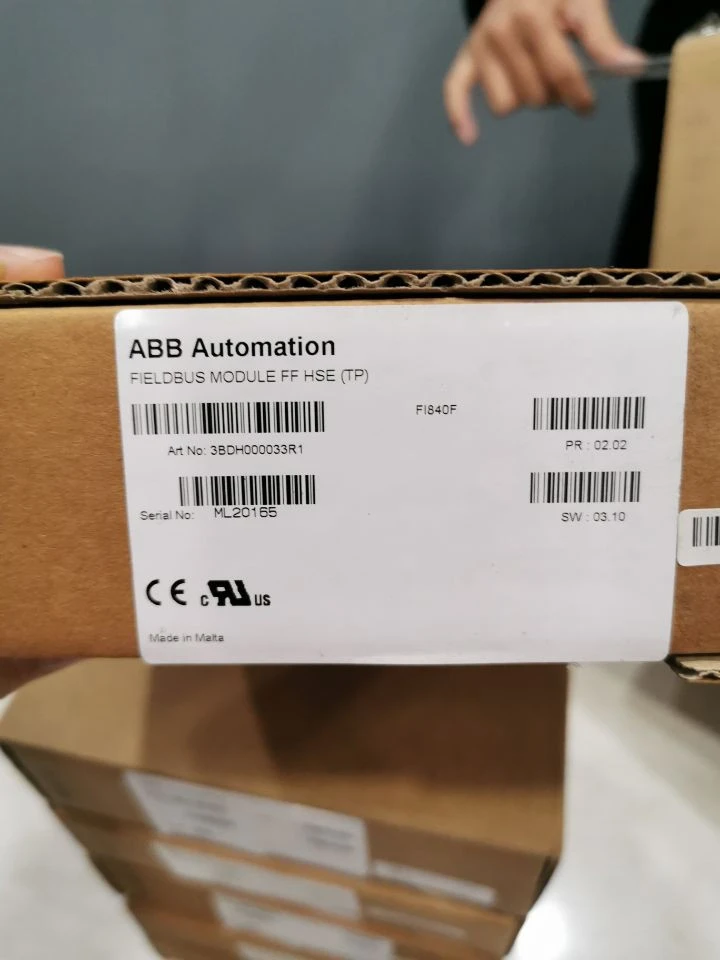
I/O modules are used to interface with the field devices. They are exposed to a variety of electrical and environmental conditions. ABB I/O modules, such as the ABB FI840F, typically have a lifespan of 8 - 12 years under normal conditions. These modules are subject to electrical stress from the connected field devices, and any electrical surges or faults can affect their lifespan.
Power Supply Modules
Power supply modules are responsible for providing stable power to the DCS components. They are critical for the proper functioning of the system. ABB power supply modules can last for 10 - 15 years if they are not overloaded and are operating within the specified temperature and humidity ranges. However, power supply modules are also vulnerable to power fluctuations and electrical surges, which can shorten their lifespan.
Communication Modules
Communication modules are used to establish communication between different parts of the DCS system and with other systems. They are exposed to network traffic and electromagnetic interference. ABB communication modules can have a lifespan of 8 - 12 years. The lifespan can be affected by factors such as network congestion, software updates, and compatibility issues.

Human - Machine Interface (HMI) Devices
HMI devices are used by operators to monitor and control the DCS system. They are subject to frequent use and may be exposed to physical damage. ABB HMI devices, such as touch - screen panels, typically have a lifespan of 5 - 10 years. The lifespan can be reduced if the device is used in a harsh industrial environment or if it is frequently subjected to rough handling.
Extending the Lifespan of ABB DCS Components
To extend the lifespan of ABB DCS components, several measures can be taken.
Regular Maintenance
Regular maintenance is essential for the longevity of DCS components. This includes cleaning the components to remove dust and dirt, checking for loose connections, and performing firmware updates. ABB provides detailed maintenance guidelines for its products, and following these guidelines can significantly extend the lifespan of the components.
Environmental Control
Controlling the operating environment is crucial. This can be achieved by installing proper ventilation systems, air - conditioning units, and humidity control devices. Ensuring that the components are installed in a clean and vibration - free environment can also help in extending their lifespan.
Proper Operation
Operating the components within their rated capacity and following the recommended startup and shutdown procedures can reduce the stress on the components. Avoiding overloading and providing proper breaks during continuous operation can also help in extending the lifespan.
Conclusion
In conclusion, the lifespan of ABB DCS components can vary depending on environmental, operational, and technological factors. While general estimates can be provided, it is important to consider the specific conditions under which the components are operating. By taking proper measures such as regular maintenance, environmental control, and proper operation, the lifespan of these components can be extended.
If you are in the market for ABB DCS/PLC components or need more information about their lifespan and maintenance, feel free to reach out to us. We are here to assist you in making the right choices for your industrial control systems.
References
- ABB Product Documentation
- Industry reports on DCS system reliability and component lifespan.